


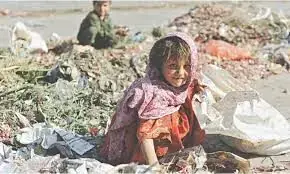
Pakistan is one of the 10 countries most severely affected by the global hunger crisis, as climate-related disasters, economic difficulties, displacement and declining humanitarian funding continue to worsen food insecurity among vulnerable populations, according to a new report by international humanitarian organisation Action Against Hunger.
The report, Ten Largest Global Food Crises, was published on Friday to mark World Food Day. It cautions that around 10.6 million people in Pakistan are expected to need humanitarian assistance in 2026, despite ongoing recovery initiatives and improvements in certain macroeconomic indicators.
Worldwide, approximately 177 million people live in the 10 countries with the highest concentration of hunger. The report further highlights that acute hunger has doubled over the past decade, affecting 266 million people across 47 countries.
The 10 countries experiencing the most severe food crises are Nigeria, the Democratic Republic of Congo, Sudan, Yemen, Afghanistan, Myanmar, Bangladesh, Pakistan, South Sudan and Syria.
Report projects 10.6 million Pakistanis will need humanitarian aid in 2026
In Pakistan, widespread poverty, soaring food prices, increasing living expenses, scarce job opportunities and declining household earnings continue to weaken families’ purchasing power. Unfavourable prices for agricultural products and ongoing economic uncertainty have further affected livelihoods, leaving millions of people unable to afford sufficient food.
With humanitarian requirements exceeding the resources available, vulnerable families are increasingly adopting harmful coping measures. These include reducing food intake, selling assets used to earn a living, and taking children out of school to manage financial difficulties.
The report warns that although these steps may offer short-term financial relief, they can intensify poverty, damage children’s education and nutritional well-being, and reduce families’ capacity to recover from future crises.
Insufficient access to healthcare, nutrition services, safe drinking water, sanitation and hygiene (WASH), as well as social protection, is worsening the situation, especially in rural communities and areas affected by disasters. Persistent poverty and severe malnutrition continue to drive humanitarian needs, while reductions in support services and livelihood programmes are further weakening communities’ ability to withstand shocks.
Pakistan’s vulnerability to climate-related disasters remains a significant factor contributing to food insecurity. Repeated floods, droughts, heatwaves, glacial lake outburst floods (GLOFs), and increasingly unpredictable monsoon rainfall have damaged infrastructure, lowered agricultural output, and disrupted livelihoods that depend on livestock.
Crop damage and extended periods of dry weather have further forced households to depend on markets for their food supplies, even as many families struggle with limited purchasing power. Several districts are facing prolonged drought, raising further concerns about agricultural production and rural household incomes.
The report also cautions that seasonal difficulties could aggravate these challenges. The lean season spanning December 2025 to March 2026, marked by prolonged winter conditions and heavy snowfall in some areas, was identified as a period when food insecurity could worsen due to restricted access to markets and essential resources.
Security concerns and regional tensions are placing additional strain on Pakistan’s already vulnerable food security situation.
The report notes that localised insecurity in Khyber Pakhtunkhwa and Balochistan continues to disrupt livelihoods, limit market access, and create obstacles for humanitarian operations.