






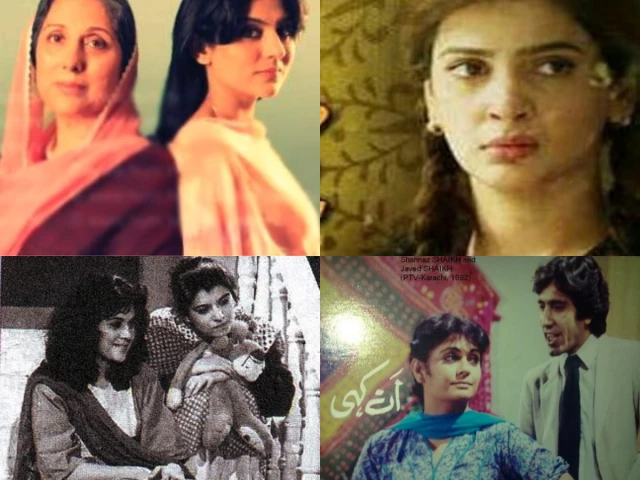
A time ago before people started saying “female-led” to sell things writers like Haseena Moin were already writing stories about women who had jobs and could say no to men. The stories were written in a way that supported these women.
Some of these stories were recorded on VHS tapes before people in Pakistan had satellite television. People would watch these stories at home. They would start talking about what it means to be a woman.
All of the shows listed below have one thing in common: a woman is the character and she is allowed to want things get hurt and be herself all at the same time.
Ankahi (1982)
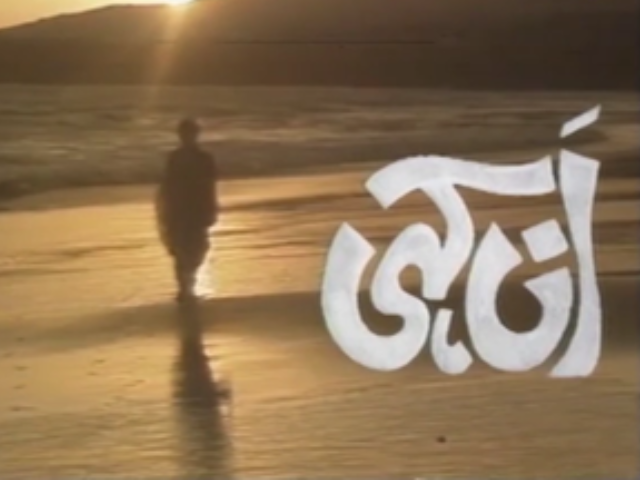
Ankahi was also written by Haseena Moin. This show had Shehnaz Sheikh and Javed Sheikh in it. Behroze Sabzwari and Qazi Wajid were also in Ankahi. The main character is Sana Murad. Sana Murad has no money and no good qualifications.. She has a lot of confidence. She talks her way into a job that she’s not ready for.
Sana Murads father dies at the start of the story. This leaves the family with financial problems. Sana Murad thinks it is up to her to solve these problems. She meets the chairman of a company by chance. He gives her a job. What happens next is pretty funny. Sometimes it is also very sad. It is, about Sana Murad learning about working in an office. She is figuring things out as she goes along.
Tanhaiyaan (1985)
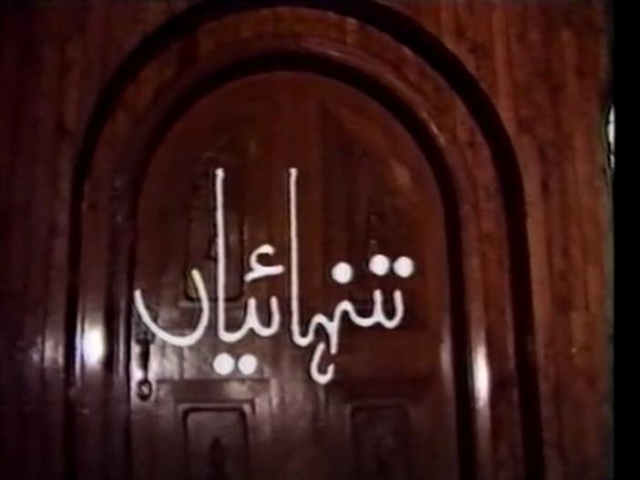
Written by Haseena Moin and directed by Shahzad Khalil, Tanhaiyaan starred Marina Khan, Shehnaz Sheikh and Behroze Sabzwari. The drama centred around two sisters who lose both their parents and their family home in a blow. They are then left to figure out how to hold onto what’s left of their lives.
What made the show radical for its time wasn’t the tragedy but everything that came after it. With women finding work and earning money, the drama never stopped to explain or justify the choice to the audience; it simply let them get on with it, the way any drama about young men finding their feet might have.
Underneath the loss and the rebuilding, genuine warmth and wit run through the sisters’ friendships and mishaps, and it’s that mix of humour and hardship rather than the “landmark drama” label it’s usually handed that has kept people rewatching it decades on.
Maat (2011)
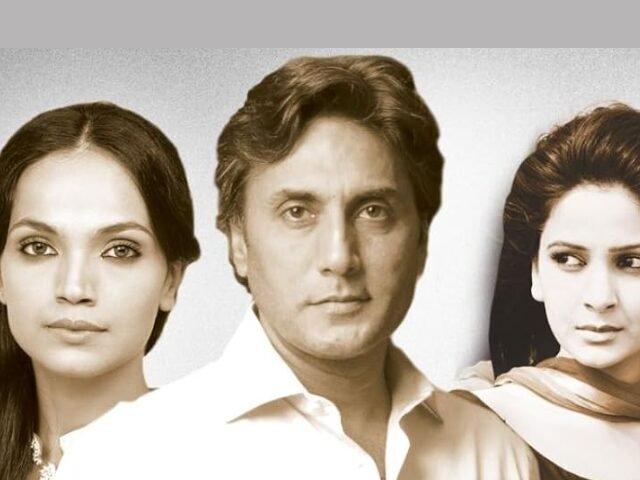
The story Maat is written by Umera Ahmad. It stars Saba Qamar and Aamina Sheikh. Maat means defeat. This story is two sisters who live in the same lower-middle-class household. They make different choices in life.
Saman, who is played by Saba Qamar wants to be comfortable and have status. So she gets married and then married again. Her older sister Aiman sees the reality of the world. She works hard to build herself up.
For a time it seems like Aiman is the one who is losing. People do not think much of her. They treat her like she is not important. Even her own sister Saman does this. Twenty five years later things are different. Saman is alone. Regrets her choices. Aiman has built a home. Has a son.
The story of Maat shows us that being patient is a kind of strength. It may not seem like it at first. After many years it turns out to be the right thing to do. Maat tells us that patience is the winning move. The story of Maat is about the strength of patience. Maat shows us that patience is important.
Durr-e-Shehwar (2012)
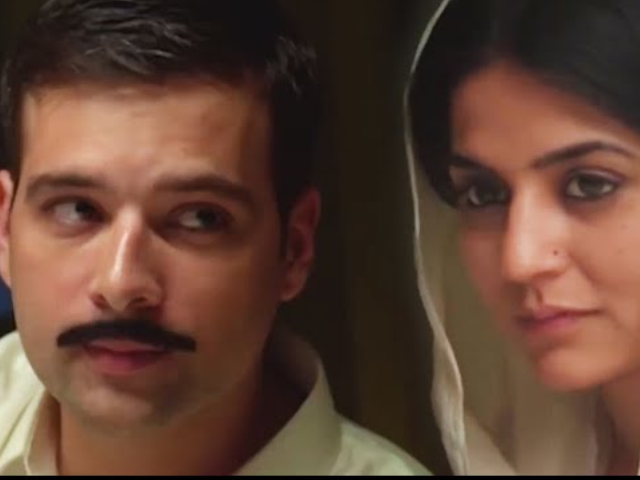
The female lead in Durr-e-Shehwar played by Samina Peerzada in one version and Sanam Baloch in another gets thinking she will get a lot of love.. Her husband does not talk to her much and her mother-in-law is really mean to her.
Her daughter, Shandana thinks her parents have a marriage.. Then she finds out what her mother had to go through to keep everything okay.
The difference between what the daughter thinks and what really happened to her mother is what the drama Durr-e-Shehwar is really about. It is about how different generations think about compromise in ways. It is about what people have to do to make their marriage work. The drama Durr-e-Shehwar shows how people in generations see compromise differently and what they have to give up to keep their marriage going.
Digest Writer (2014)
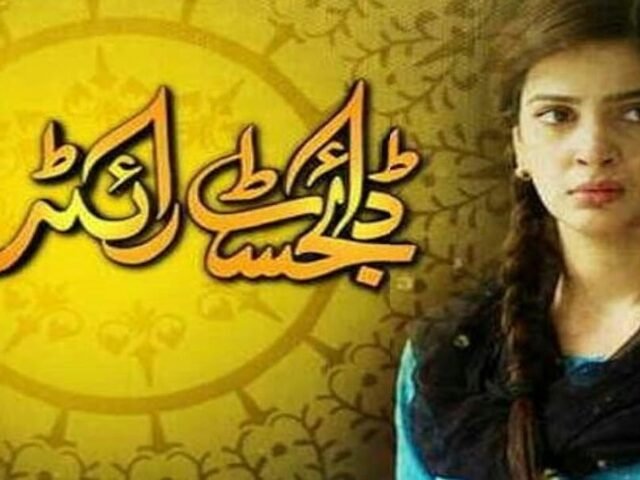
Saba Qamar plays Fareeda, a college student from a lower-middle-class family, where her father thinks that all the money and attention should go to her brother. The one place Fareeda can be herself is when she writes and she puts her heart into it using the pen name Rashk-e-Hina. She sends her stories to people who write books and things. They do not really care about what a woman wants to say.
There is a producer named Rida who likes Fareeda’s writing and gives her a chance to make it into a television show. This should have been a break for Fareeda but it pulls her into a world where people are very full of themselves and they do not always do what they say they will do and her family is on her case all the time.
What I like about Digest Writer is that it does not just say that Fareeda’s writing is enough to save her. She does get famous. The show is real about what she has to give up to get there. It is this realness that makes people still talk about the show even after it has been a long time since it was on television and not just the fancy parts of being a writer.
Udaari (2016)
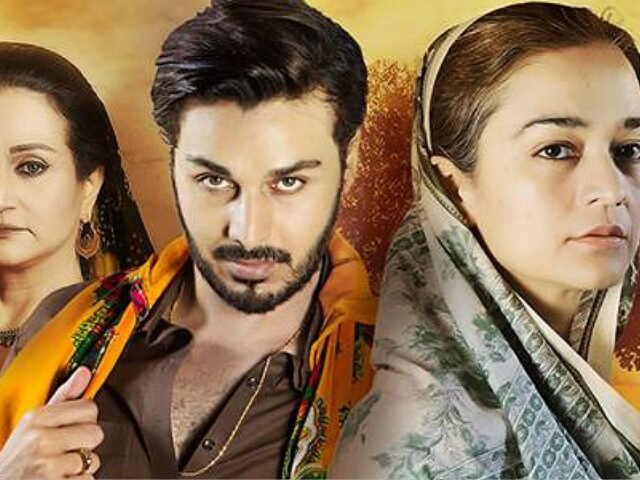
At the center of Udaari is Zebo, a child whose innocence is broken because of abuse from her stepfather. But the drama does not let the pain take over Zebo completely; instead it moves toward a version of her who stands up not willing to stay quiet about what happened to her.
Zebo’s mother, a woman who lost her husband and was surprised by the man she married again eventually turns her shame into a way to protect her daughter. She leaves everything behind to keep her daughter safe and starts over with an identity. Then there is Meera, a singer who lives nearby and also has her problems, who comes to help Zebo when she needs it the most. Meera encourages Zebo to find the courage to speak out of staying silent.
By the time Zebo goes to the court she is carrying the strength of every woman who refused to let what happened to her destroy her.
A famous part of Udaari is a court scene, where Zebo changes the situation and makes the person who should feel ashamed be the one who feels ashamed. She calls herself a survivor of a victim.
The shows shows a pattern over four decades of television: women who work who deal with problems, who push back and who do not let themselves be made into either a pure victim or a pure hero. From Sana talking her way into a job to Zebo standing tall in a court the dramas believed in their main characters being real strong and easy to understand.





