






Pakistan’s inflation rate has gone down to 9.2 percent in July. This is the first time it has been in single digits in four months. The Pakistan Bureau of Statistics released this information on Monday.
The main reason for this decrease is that prices of things other than food have come down. The Consumer Price Index, which is used to measure inflation, shows that this 9.2 percent rate is the lowest since April this year.
However, Pakistan still has one of the highest inflation rates in the South Asia region except for Bangladesh. The Pakistan Bureau of Statistics says that inflation rates have slowed down in both cities and rural areas.
This 9.2 percent rate is still much higher than it was in July last year, which was 4.1 percent. This shows that the war in the Middle East and the government’s decisions have had an impact on prices.
If we look at countries in the region, we can see that Pakistan’s inflation rate is almost the highest. In India, the inflation rate is 4.4 percent; in Bhutan it is 5.8 percent; in the Maldives it is 2.9 percent; in Nepal it is 5.2 percent; in Sri Lanka it is 7.3 percent. In Bangladesh, it is 9.2 percent, which is the same as Pakistan’s rate.
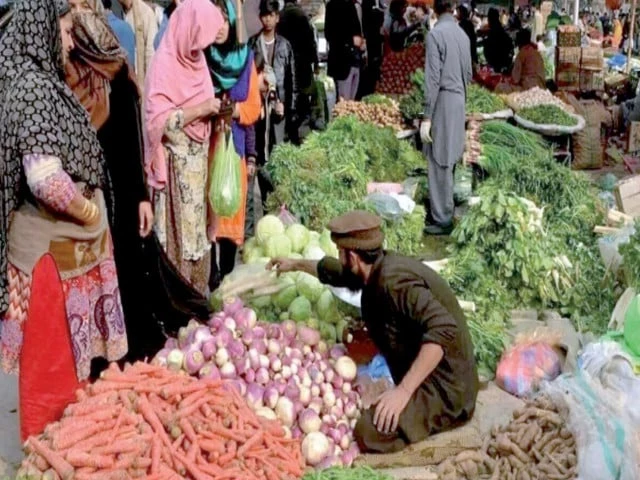
The price of food has gone up a lot in cities, where it has increased to 9.6 percent. In areas, the price of food has gone up to 10.2 percent. These are the rates since April 2024.
The government wants to keep inflation at 8.2 percent this year. The State Bank of Pakistan is responsible for making sure prices are stable. The price of wheat and wheat flour has gone up, and transportation costs are also higher, which has made food more expensive.
Inflation that is not related to food dropped to 8.2% in cities – the level in five months – and to 9.7% in villages – the lowest in four months.
Inflation that is considered core, which is measured by leaving out energy and food prices that change a lot, stayed mostly the same as last month except in some places where there was a slight rise in the villages.
The biggest rise in the cost of any group of things people buy was in transport. The inflation rate in this group went up by 15% month-on-month compared to the same month last year. This shows the effect of transport costs because of continuous increases in the prices of high-speed diesel and petrol. The rise in transport inflation was more obvious in cities, where it reached 16.5% according to the PBS.
Tomato prices went up 175% month-on-month compared to the same month last year. Wheat prices increased 78%. The prices of wheat flour went up 68%.
The central government has chosen to bring in up to one million tonnes of wheat on the request of the provinces. This is just four months after the harvest and after official claims that 29.7 million metric tonnes of wheat were produced this year.
The governments of Sindh and Punjab did not reach their goals for buying wheat. Even though they did raids to get back stored goods, the provincial leaders have not been able to stop prices from rising.
All four provincial governments have asked for 2.2 million tonnes of wheat from the central stocks. This is causing wheat imports in three years. It is estimated that each month 2.5 million metric tonnes of wheat are used.
The price of onions – another item in the kitchen – went up 75% compared to last year. Milk products became 10% more expensive. However, potato prices dropped 35%. Sugar prices went down 21% because there were enough stocks and the government stopped the millers from exporting.
The PBS said that the taxes on cars also went up 39% per month. This is because of the budget rules. Similarly, the price of petrol per liter increased 16% compared to year. This is because of the conflict in the Middle East and the government’s choice to pass the increase on to the people.





