


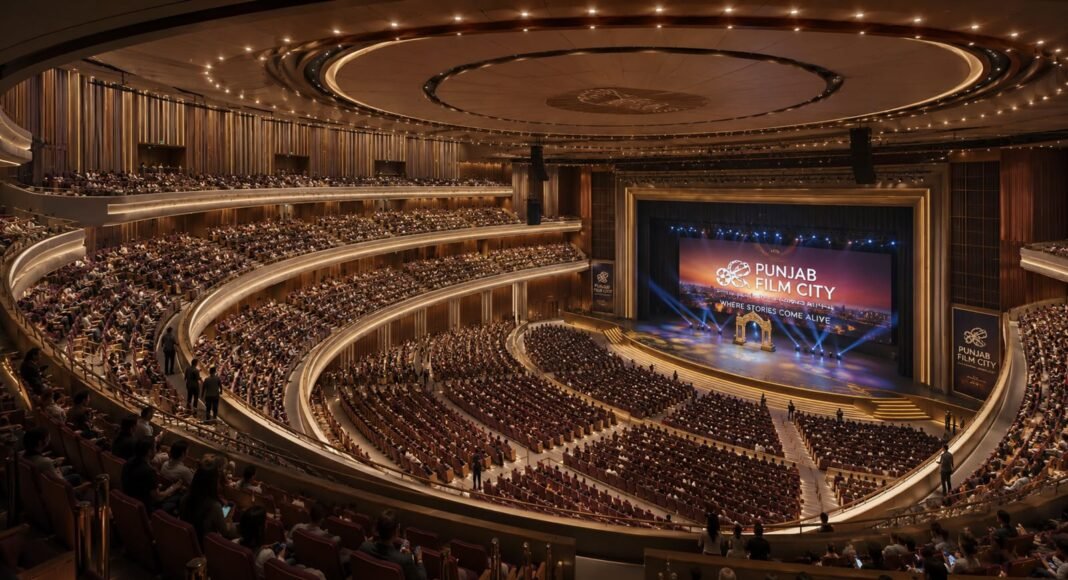
Punjab is preparing for a major transformation of Pakistan’s film and media industry as Chief Minister Maryam Nawaz Sharif advances the development of the country’s first state-of-the-art Punjab Film City in Lahore. Scheduled for launch on December 15, 2026, the ambitious initiative aims to revive Lahore’s historic cinematic legacy, attract local and international investment, and establish Punjab as a major destination for film production and screen tourism.
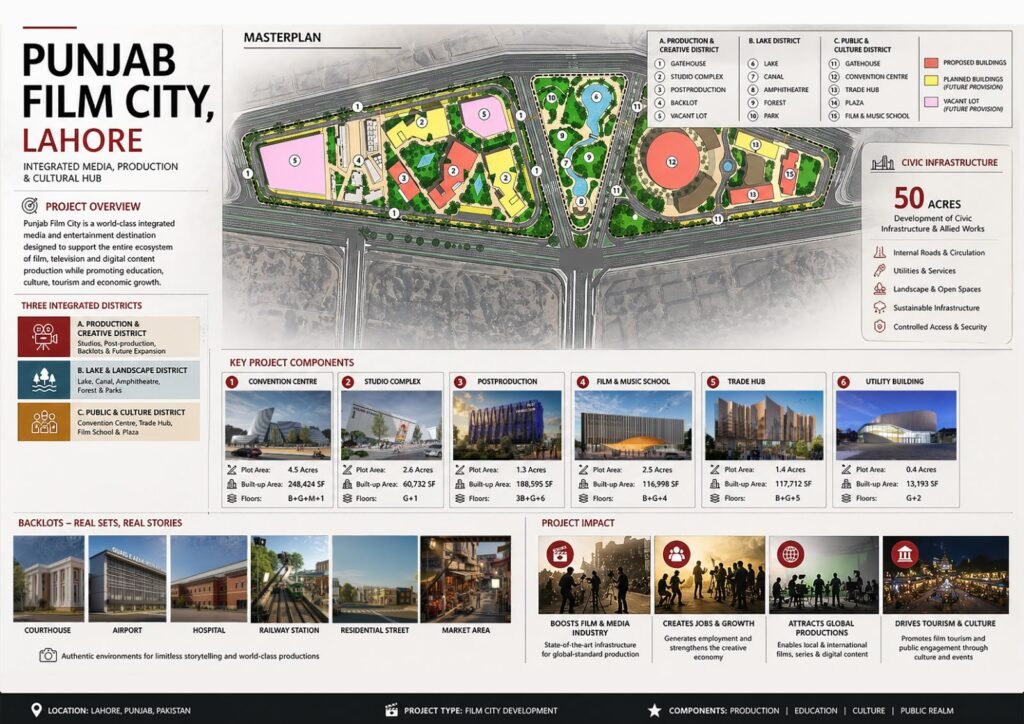
The proposed project, planned across approximately 50 acres, is designed to bring production facilities, creative education, cultural preservation, and entertainment infrastructure together under one comprehensive development plan.
The implementation roadmap was reviewed during the inaugural meeting of the Punjab Film Authority, chaired by Senior Provincial Minister Marriyum Aurangzeb. The first meeting of the Punjab Film City Authority Committee (PFCA) was held on October 22, 2026, with a key focus on production rebate proposals linked to the Gross Box Office (GBO) performance of films.
35% Rebate for Punjabi Films and 20% for Urdu Films
In a significant development for the regional film industry, the committee has approved a proposal for production rebates based on films’ Gross Box Office collections.
Under the proposed framework:
- Punjabi-language films: 35% rebate.
- Urdu-language films: 20% rebate, subject to the condition that at least 75% of shooting takes place in Punjab.
- Minimum qualifying Gross Box Office: PKR 3 crore.
- Maximum qualifying Gross Box Office: PKR 50 crore.

The proposed incentive structure is intended to encourage filmmakers to produce commercially viable films, strengthen regional-language cinema, and increase investment in Punjab’s film production sector.
Linking the rebate to box-office performance could also encourage producers to focus on audience engagement, theatrical distribution, and commercial sustainability.
However, the final eligibility rules, calculation method, documentation requirements, and disbursement procedures will be important in determining how effectively the scheme benefits filmmakers. The committee’s approval of the proposal should not be confused with confirmation that all implementation rules have been formally notified.
A 50-Acre Film City with International-Standard Facilities
Punjab Film City is envisioned as an integrated production and creative hub featuring modern infrastructure for filmmaking, television, digital content, and cultural activities.
The proposed masterplan covers three major development districts.
1. Production and Creative District
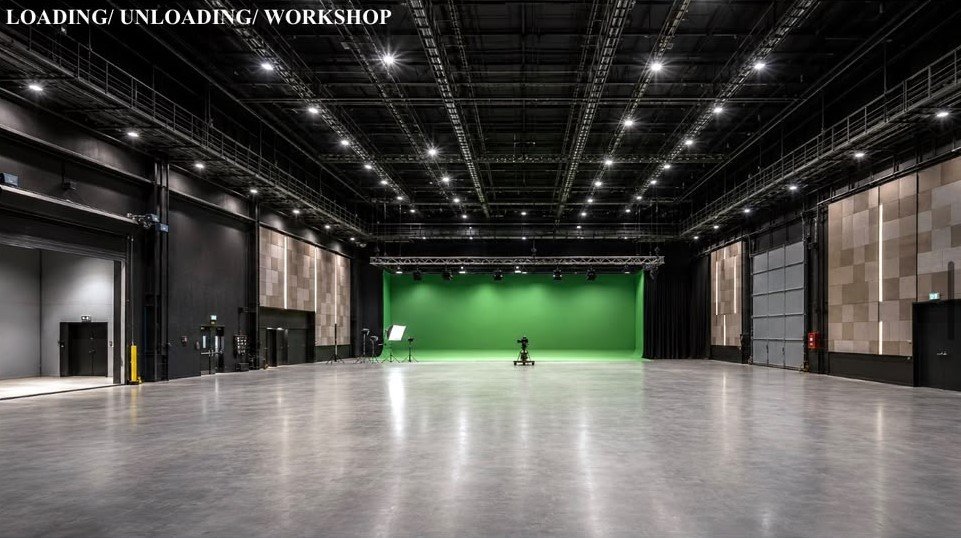
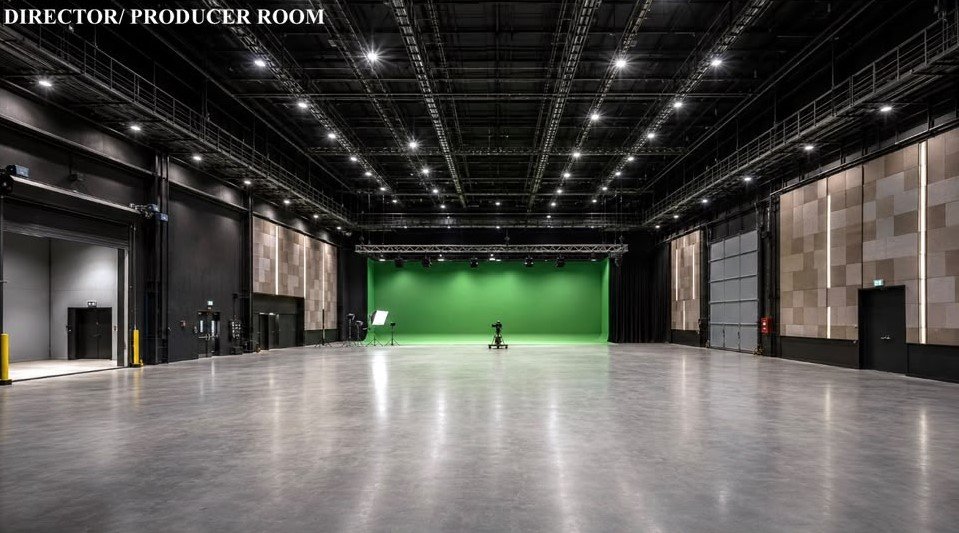
The production zone is planned to include international-standard sound stages and film studios capable of accommodating major Pakistani and international productions.
An advanced post-production facility is also proposed, with provisions for digital editing, colour grading, sound design, and visual effects.
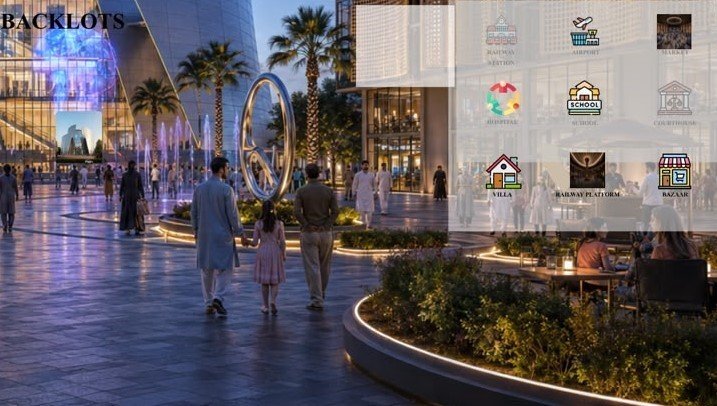
The project’s planned virtual production capabilities and outdoor backlots are intended to provide filmmakers with versatile shooting environments without the need to travel to multiple locations.
Proposed outdoor sets include a courthouse, airport, hospital, railway station, residential street, and market area. These facilities could help reduce production costs and simplify location management for filmmakers.
2. Public and Cultural District
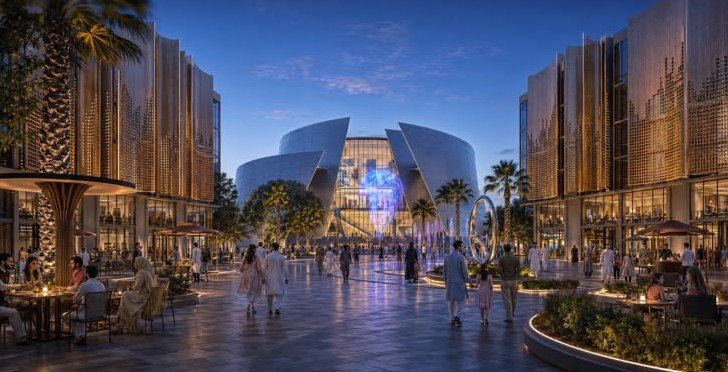
The cultural district is expected to feature a Film and Music School offering specialised training for aspiring directors, screenwriters, musicians, cinematographers, editors, and other industry professionals.
International experts are expected to contribute to training programmes designed to equip young filmmakers with contemporary production techniques and professional skills.
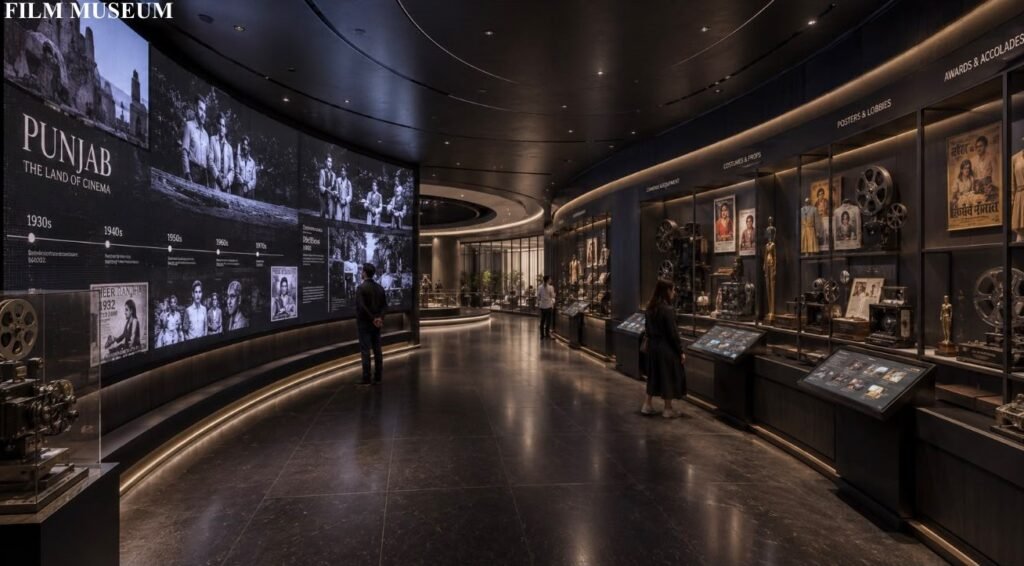
A Film Museum is also planned to preserve Pakistan’s cinematic heritage and showcase the history of its film industry. A Film Trade Hub would provide a platform for industry networking, business development, and media trading.
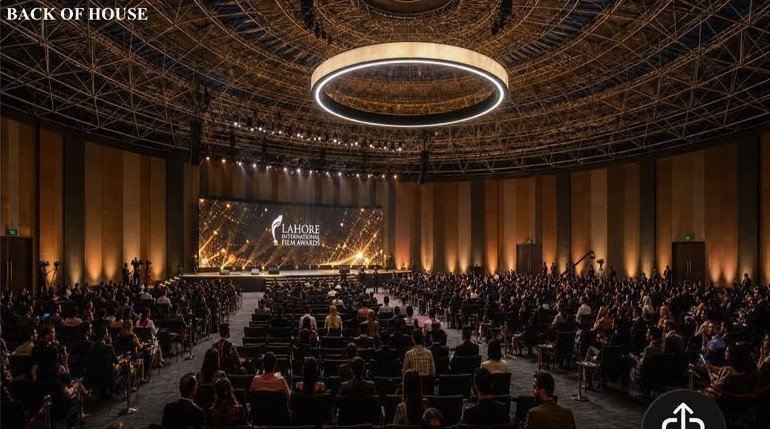
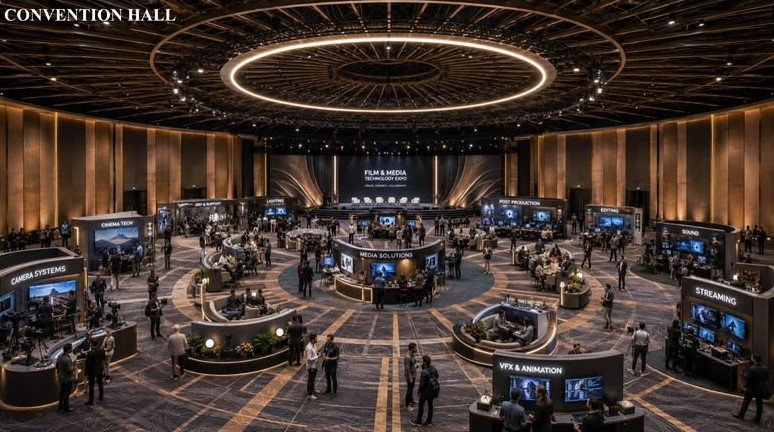
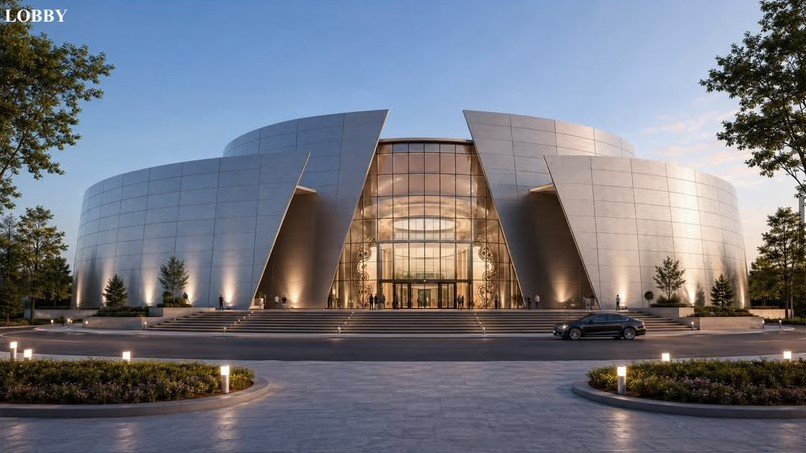
The masterplan further includes production cinemas, screening facilities, and a proposed convention centre intended to host premieres, film festivals, industry gatherings, and cultural events.
3. Lake and Landscape District
The proposed recreational zone will feature a lake, canal, amphitheatre, forest, and public parks.
Beyond providing public leisure facilities, these landscapes could serve as filming locations for movies, television dramas, commercials, and digital productions.
The combination of natural scenery and purpose-built filming infrastructure is intended to support Punjab’s broader screen tourism ambitions, attracting production companies and visitors to locations associated with film and television.
Punjab’s First Royalty Legislation for Creative Professionals
Another major policy initiative is the proposed introduction of a dedicated royalty law for Punjab’s film industry.
The proposed legislation aims to establish a legal framework for protecting the financial interests and rights of creators, performing artists, and technical professionals.
For screenwriters, composers, performers, directors, and other creative contributors, a clearer royalty framework could help strengthen the commercial value of intellectual property and encourage continued investment in original content.
The proposal is expected to be taken forward through the Punjab Film Authority’s subsequent proceedings, with the final provisions and implementation arrangements to be confirmed through the formal legislative process.
Digital One-Window System to Simplify Filming
Punjab also plans to introduce an online one-window filming portal to streamline location scouting, permissions, and access to shooting locations across the province.
If implemented effectively, the system could reduce administrative delays and make Punjab more attractive to domestic and international production companies.
The platform could be particularly useful for productions requiring access to heritage buildings, historic locations, public spaces, and scenic landscapes.
Revival of Heritage Cinemas and Affordable Entertainment
The wider policy framework also includes measures aimed at restoring old cinema houses, introducing solar power systems, and digitising cinema booking networks.
The proposed reforms seek to address several challenges facing theatrical exhibition, including operating costs, ageing infrastructure, and affordability for audiences.
Revitalising cinema houses could create additional opportunities for film distributors, exhibitors, technicians, and local businesses while helping bring audiences back to traditional theatrical entertainment.
Five-Year Vision for Global Screen Tourism
Senior Provincial Minister Marriyum Aurangzeb has highlighted the provincial government’s ambition to establish Punjab as a competitive international destination for screen tourism within five years.
The strategy centres on presenting Punjab’s cultural diversity, historical landmarks, architecture, and landscapes to international audiences through films, television productions, and other screen-based content.
If supported by effective infrastructure, streamlined permissions, competitive incentives, and sustained private-sector investment, the initiative could help position Lahore as a regional centre for film production and creative industries.
Can Punjab Film City Restore Lahore’s Cinematic Glory?
For decades, Lahore played a central role in Pakistan’s film industry, nurturing filmmakers, performers, musicians, writers, and technicians who shaped the country’s cinematic identity. The proposed Punjab Film City represents an ambitious attempt to rebuild that ecosystem through modern infrastructure and targeted policy support.
The production rebate proposal is particularly significant because it links financial incentives to theatrical performance, potentially creating a stronger connection between production investment and commercial outcomes.
For Punjabi cinema, the proposed 35% rebate could provide additional encouragement to producers working in regional languages. The proposed 20% rebate for Urdu films, subject to the 75% Punjab-shooting requirement, could encourage production activity within the province and generate work for local crews and service providers.
Nevertheless, the project’s long-term success will depend on transparent eligibility criteria, timely rebate payments, effective protection of creative rights, operational readiness of the facilities, and the development of commercially sustainable films.
With its planned December 15, 2026 launch approaching, Punjab Film City could become an important milestone in Pakistan’s creative economy. If the infrastructure and policy reforms are delivered as envisaged, the project has the potential to generate employment, encourage investment, strengthen Punjabi-language cinema, and bring Lahore back into the spotlight as a major filmmaking destination.
Editorial note: The project specifications, launch date, and rebate terms in this article are based on the information supplied for publication. The rebate framework is described as a committee-approved proposal; final government notifications and detailed eligibility rules should be verified before the incentives are presented as fully operational.