






- Inflation rose to 11.1% in August: MPC.
- SBP reserves climbed to $21.4 billion: MPC.
- Moody’s upgraded Pakistan’s rating to B3.
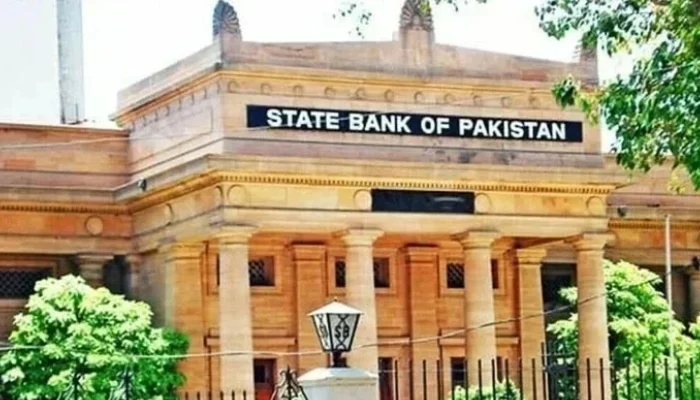
On Monday, the State Bank of Pakistan (SBP) decided to keep the policy rate steady at 11.5 percent. Seven of the ten members of the Monetary Policy Committee (MPC) voted to keep the rate unchanged.
The decision came while headline inflation climbed to 11.1 percent in August, up from 9.2 percent in July. Core inflation remained at 8.7 percent. SBP noted that inflation expectations among consumers and businesses increased in September.
MPC said that the growing conflict in the Middle East had pushed global commodity prices even higher and supply chain disruptions continued. MPC added that the worsening geopolitical environment raised uncertainty about the outlook.
Despite these risks SBP said recent domestic macroeconomic data stayed broadly in line, with expectations. External account pressures were kept in check by workers remittances and higher financial inflows.

Pakistan’s foreign exchange reserves climbed to 21.4 billion dollars after the Eurobonds were issued in September and after the SBP bought a lot of currency. The central bank said that steady remittances from workers abroad and higher ICT exports should keep the current account deficit within zero to one percent of GDP in fiscal year 2027.
The SBP also said that Pakistan had raised three billion dollars through Eurobonds and that Moody’s upgraded Pakistan’s credit rating to B3 with a stable outlook.
Regarding activity, the MPC said that growth has started to recover after slowing in the fourth quarter of fiscal year 2026. Recent high‑frequency indicators such as petroleum sales, private‑sector credit and textile exports suggest that activity is picking up slowly in July.
The central bank kept its forecast for GDP growth in fiscal year 2027 at between three and a half percent to four and a half percent. It cited prospects for the agriculture sector, such as more land for rice and sugarcane and encouraging early reports on cotton arrivals.
On inflation, the SBP said that recent price pressure is mostly caused by food inflation, higher prices for wheat, related products, and perishable items. It also said that higher energy prices because of the conflict in the Middle East have added to inflation.
The central bank said that the inflation outlook for year 2027 is still basically the same, with inflation expected to ease slowly toward the upper end of the five to seven percent target range by June 2027. The central bank warned that risks to that outlook have grown a lot because of global commodity price swings, possible changes in electricity and gas rates, supply disruptions and sudden shifts in food prices.
The MPC said that the current monetary policy stance is still right for steering inflation toward the five to seven percent target over the term. It stressed the need for a mix of monetary and fiscal policy and a further build‑up of buffers to soak up supply shocks.
The central bank also reported that broad money growth slowed to eleven point six percent year‑on‑year as of August 28 compared with thirteen point two percent, at the MPC meeting. Private‑sector credit grew thirteen point four percent year‑on‑year.





